Congestive Heart Reviews
|
What Is Congestive Heart Failure
What is Congestive Heart Failure?
It's a terrifying moment for many patients: the moment when the doctor enters their hospital room and informs them they are suffering from congestive heart failure. Many people do not know what congestive heart failure is or what it means for their life, and they ask themselves, "Is congestive heart failure the end of my world as I know it?"
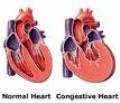
Congestive heart failure occurs when for whatever reason the heart is unable to effectively pump the blood through the body. This usually occurs when the heart muscle is weak due to disease or stressed beyond its ability to function. Congestive heart failure is usually a secondary disease following another cardiac condition, primarily either coronary artery disease, cardiomyopathies, myocarditis, valvular disease, or cardiac arrhythmias, with coronary artery disease carrying the poorest prognosis. It may also follow a myocardial infarction, renal failure, sepsis or severe anemia.
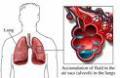
Each side of the heart has a different function, and therefore will have a slightly different effect on the body when it is unable to fulfill that function. If it is the left side of the heart that has failed accumulation of fluid in and around the lungs will cause the patient to experience difficulty breathing, and the kidneys will respond to the reduced blood in the circulation by retaining fluid as well. If it is the right side that fails the excess fluid accumulates in the venous system, giving the patient a generalized edema that becomes more severe as their condition deteriorates.
Dyspnea is the prevalent presenting symptom in congestive heart failure, although the severity will vary from patient to patient. Some will possess perfectly normal pulmonary function until under exertion, such as while exercising, walking up stairs or mowing their lawn; others will have so much fluid accumulated that simply rising from bed in the morning will prove difficult. These patients will also usually become easily fatigued due to a lack of oxygen to the tissues. Heart failure will also cause a condition known as pitting edema, in which the body retains fluid to the point that when pressure is applied to specific spot on the body the indentation remains (non-pitting edema is not caused by heart failure).
Treatment of congestive heart failure consists primarily of treating the symptoms. Vital signs should be taken regularly, and often diuretics will be prescribed to facilitate expulsion of accumulated fluid from the body. While in the hospital fluid intake and output will be measured very carefully. Patients will probably be placed in an upright position to assist in moving fluid from around the heart and lungs, given potassium supplements and prescribed bed rest for a period of time. BUN levels and serum creatinine, potassium, sodium, chloride and bicarbonate levels are monitered frequently by a physician.
There are several factors that contribute to congestive heart failure and, if diagnosed, should be treated and maintained. These include hypertension, anemia or poycythemia, endocrine disorders, malnutrition, drug or alcohol use and obesity. Therefore, it is very important that patients suffering from congestive heart failure pay particular attention to maintaining a healthy lifestyle. A doctor can aid in establishing the best diet and exercise plan with each individual to prevent placing undue stress on the heart and lungs.
While no said cure exists for congestive heart failure and the prognosis varies from case to case, by following a strict diet and exercise program, taking all prescribed medications regularly and maintaining a close relationship with their physicians many patients who suffer from heart failure can continue to lead a fairly normal life.
 |
 |
 |
How Doctors Are Using Their Skills To Combat Congestive Heart Failure
How Can Genes Contribute To And Cure Congestive Heart Failure
Why Is Peer Review Important In The Publication Of Medical Research
What Evidence Of Congestive Heart Failure Is A Diagnosis Based On
How CHF Patients Can Take Advantage Of Translational Research
What Is The American Medical Association
How Can Stem Cells Be Used To Treat Congestive Heart Failure
More Congestive Heart Articles
The Top U.S. Hospitals Have 28% Lower Mortality Rate
... transplants. The staff at Spectrum Hospital is very sensitive to patient needs and stress levels and tries to help in any manner possible. When a patient leaves the hospital, the care does not stop at that point. They provide in home nurses that visit the patient on a daily basis to make sure that they ...
... occur along with spitting up red sputum. These are all signals of a congestive heart and you should see your physician before it becomes congestive heart failure. You are really into problems if you have chest pain feel palpitations of the heart and develop a fever do not hesitate go straight to the emergency ...
How Can Stem Cells Be Used To Treat Congestive Heart Failure
... that have been published in research journals regarding the application of stem cells in the treatment of congestive heart failure. Congestive heart failure results when cells in the heart are dysfunctional or destroyed and the heart is unable to properly pump blood throughout the body. Some patients ...
Enjoy The Highest Quality Of Life Possible With Congestive Heart Failure
... pneumonia will result in the heart pumping harder in an attempt to compensate. Everything in their life affects a patient's well being when they are suffering from congestive heart failure, right down to their clothing. These patients should avoid restrictive clothing and stockings as much as possible, ...

|
| Copyright © 2006-2012 Internet Marketing Tools, All Rights Reserved |